Showing posts with label hospitality. Show all posts

Wednesday, October 26, 2022

Queerying 21st after Pentecost C

Suzannah Porter and Brooke McLain musically queery the RCL readings.

How do we stand the waiting for justice in the face of so much violence?

How does God lead the way through uncertainty?

How can you lift up someone going unnoticed?

How do we need to change to be our best selves?

-----

Rev. Emily E. Ewing queeries the Gospel reading.
ID: A solitary Sycamore tree stands tall and full of green leaves in a grass field.
Gospel: Luke 19:1-10
Jesus entered Jericho and was passing through it. 2A man was there named Zacchaeus; he was a ranking Empire collaborator and was rich. 3He was trying to see who Jesus was, but on account of the crowd he could not, because he was short in stature. 4So he ran ahead and climbed a sycamore tree to see Jesus, because he was going to pass that way.

5When Jesus came to the place, he looked up and said to him, “Zacchaeus, hurry and come down; for I must stay at your house today.” 6So Zacchaeus hurried down and was happy to welcome Jesus.

7All who saw it began to grumble and said, “Jesus has gone to be the guest of one whose work makes them a sinner.”

8Zacchaeus stood there and said to the Leader, “Look, half of my possessions, Leader, I give to the poor; and when I have defrauded anyone of anything, I pay back four times as much.”

9Then Jesus said to Zacchaeus, “Today salvation has come to this house, because he too is a child of Abraham. 10For the Human One came to seek out and to save the lost.”

Queeries for the text:
What did we skip?
Where is Jericho?
Who is short?
What is a sycamore like?
How is hospitality imposed? How is it offered?
Who grumbles?
Who is a sinner?
Who gives to the poor and repays four times as much?
What is salvation?
Who is lost?

What are your queeries?


Wednesday, July 20, 2022

Queerying 7th after Pentecost C

Pace Warfield-May queeries the Tanakh reading.
ID: the poster for the 2017 film Justice League with the tagline ‘You Can’t Save the World Alone’ featured prominently.
Genesis 18:20-32
20Then the Name said, "How great is the outcry against Sodom and Gomorrah and how serious their brokenness! I must go dwell with them and see whether they have done altogether according to the cries of the marginalized that have come to me; and if not, I will know." 22So the company turned from there, and went toward Sodom, while Abraham remained standing before the Name.

23Then Abraham cuddled close to God and said, "Will you indeed sweep away the just with the unjust? 24Suppose there are fifty who are good within the city; will you then sweep away the place and not forgive it for the fifty just who are in it? 25Far be it from you to do such a thing, to slay the just with the unjust, so that the righteous fare as the wicked! Far be that from you! Shall not the Judge of all the cosmos do what is just?"

26And the Name said gently, "If I find at Sodom fifty who are just in the city, I will forgive the whole place for their sake."

Abraham answered, "Let me take it upon myself to speak to the Infinite, I who am but finite, dust and ashes.

28Suppose five of the fifty of the just are lacking? Will you destroy the whole city for lack of five?" And Xe said, "I will not destroy it if I find forty-five there."

29Again Abraham spoke to the Infinite, "Suppose forty are found there." Xe answered, "For the sake of forty I will not do it."

30Then Abraham replied, "Oh do not let the Infinite be angry if I speak. Suppose thirty are found there." Xe answered, "I will not do it, if I find thirty there."

31Abraham asked, "Let me take it upon myself to speak to the Infinite. Suppose twenty are found there." Xe answered, "For the sake of twenty I will not destroy it."

32Then he said, "Oh do not let the Infinite be angry if I speak just once more. Suppose ten are found there." Xe answered gently, "For the sake of ten I will not destroy it."

Queeries for the text:
Have you ever argued with God?
When has God changed Xyr mind before?
What is the sin of Sodom and Gomorrah?
What does it mean to be just?

-----

Rev. Emily E. Ewing queeries the Gospel reading.

ID: a brown eel is visible against a background of coral. Photo by Johnny Africa on Unsplash
Gospel: Luke 11:1-13
Jesus was praying in a certain place, and after he had finished, one of his chosen family said to him, “Leader, teach us to pray, as John taught his chosen family.”

2Jesus said to them, “When you pray, say something like: Mama, make your Name sacred. Enact your reign. 3Give us each day our necessary sustenance. 4And forgive us our wrongs, for we ourselves forgive everyone indebted to us. And do not bring us to the system of injustice.”

5And Jesus said to them, “Suppose one of you has a friend, and you go to them at midnight and say to them, ‘Friend, lend me three loaves of bread; 6for a friend of mine has arrived, and I have nothing to set before her.’ 7And they answer from within, ‘Do not bother me; the lights are out, and Stephen Colbert is already on; I cannot get up and give you anything.’ 8I tell you, even though they will not get up and give em anything because em is their friend, at least because of eir persistence they will get up and give em whatever ey needs.

9“So I say to you: ask, and it will be given you; search, and you will find; knock, and the door will be opened for you. 10For everyone who asks receives, and everyone who searches finds, and for everyone who knocks, the door will be opened. 11Is there anyone among you who, if your child asks for a fish, will give a snake instead of a fish? 12Or if the child asks for an egg, will give a scorpion? 13If you then, who are evil, know how to give good gifts to your children, how much more will the heavenly Mama give the Holy Spirit to those who ask Xem!”

Queeries for the text:
How do you pray?
Who receives their necessary sustenance?
Who is indebted?
Who is in a system of injustice?
How do you provide hospitality?
Who else is persistent?
Who asks? Who searches? Who knocks?
What expectations exist regarding prayer? How are they (un)realistic?
How could a parent give a child a snake that is a fish? 

What are your queeries?


Wednesday, December 22, 2021

Queerying All the Christmases

This post was originally published for Christmas 2020 and is being republished this year.

-----

River Needham, MA queeries the Tanakh reading.

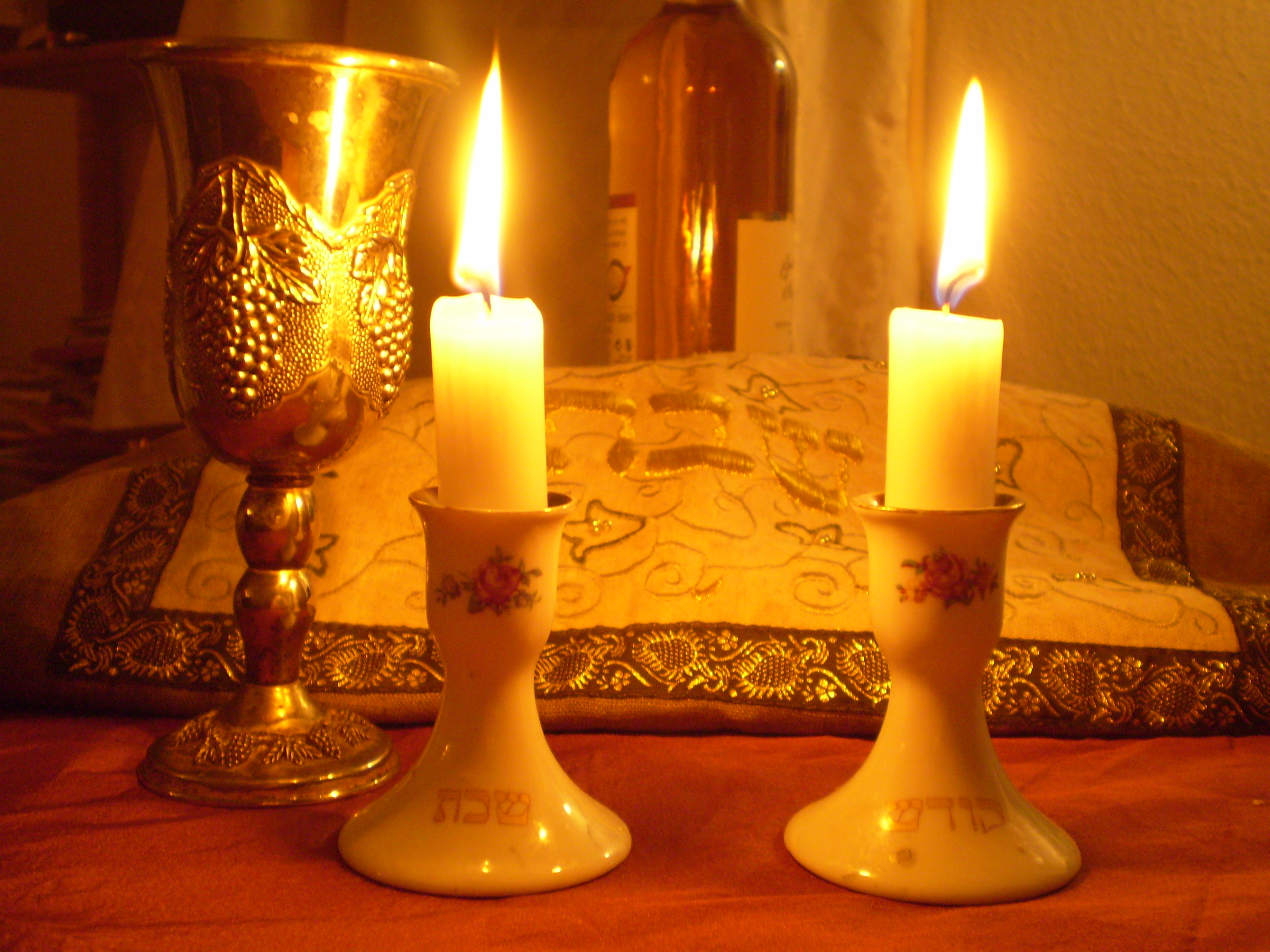
ID: two shabbat candles next to a chalice. Behind them is a cloth embroidered with Hebrew and a bottle of white wine.
Tanakh I: Isaiah 9:2-7

The people that walked in darkness have seen a brilliant light; on those who dwelt in a land of gloom light has dawned.

You have magnified that nation, have given it great joy; they have rejoiced before You as they rejoice at reaping time, as they exult when dividing spoil. For the yoke that they bore and the stick on their back— the rod of their taskmaster— You have broken as on the day of Midian. Truly, all the boots put on to stamp with and all the garments donned in infamy have been fed to the flames, devoured by fire. For a child has been born to us, a son has been given us. Authority has settled on his shoulders. He has been named “The Mighty God is planning grace; The Eternal Father, a peaceable ruler”— in token of abundant authority and of peace without limit upon David’s throne and kingdom, that it may be firmly established in justice and in equity now and evermore. The zeal of the Becoming One of Angel Armies shall bring this to pass.

Queeries for the text:
How have Christians misappropriated this text?
Who was Hezekiah?

--

Tanakh II: Isaiah 62:6-12

Upon your walls, O Jerusalem, I have set watchers, who shall never be silent by day or by night. O you, the reminders of the Becoming One, take no rest and give no rest to Her, until She establishes Jerusalem and makes her renowned on earth. The Becoming One has sworn by Her right hand, by Her mighty arm: nevermore will I give your new grain to your enemies for food, nor shall foreigners drink the new wine for which you have labored. But those who harvest it shall eat it and give praise to the Becoming One; and those who gather it shall drink it in My sacred courts.

Pass through, pass through the gates! Clear the road for the people; build up, build up the highway! Remove the rocks! Raise a flag over the peoples!

See, the Becoming One has proclaimed to the end of the earth: Announce to fair Zion, your Deliverer is coming! See, Her reward is with Her, Her recompense before Her. They shall be called, “The Holy People, the Redeemed of the Becoming One,” and you shall be called, “Sought Out, a City Not Forsaken.”

Queeries for the text:
What are tribute payments?
Who is colonized today?

--

Tanakh III: Isaiah 52:7-10

How welcome on the mountain are the footsteps of the herald announcing happiness, heralding good fortune, announcing victory, telling Zion, “Your God is Queen!”

Hark! Your watchers raise their voices, as one they shout for joy; for every eye shall behold the Becoming One’s return to Zion. Raise a shout together, O ruins of Jerusalem! For the Becoming One will comfort Her people, will redeem Jerusalem.The Becoming One will bare Her holy arm in the sight of all the nations, and the very ends of earth shall see the victory of our God.

Queeries for the text:
When did the Becoming One return to Zion?
What is the victory of our God?
 
-----
 
Rev. Emily E. Ewing queeries the Gospel readings.
 
ID: against a background of deep darkness, speckled with bright specks, yellow gas and clouds waft from a central bright point, from which a narrow line of light comes out, like a lightsaber.
 
Gospel 1: Luke 2:1-20
 
In those days a decree went out from Emperor Augustus that all the Roman world should be registered. 2This was the first registration and was taken while Quirinius was governor of Syria. 3All went to their own towns to be registered. 
 
4Joseph also went from the town of Nazareth in Galilee to Judea, to the city of David called Bethlehem, because he was descended from the house and family of David. 5Joseph went to be registered with Mary, to whom he was engaged and who was expecting a child. 
 
6While Mary and Joseph were in Bethlehem, the time came for her to deliver her child. 7And Mary gave birth to her firstborn and wrapped the infant in bands of cloth, and laid him in a manger, because there was no place for them in the guest room. 
 
8In that region there were shepherds living in the fields, keeping watch over their flock by night. 9Then an angel of God stood before them, and the glory of God shone around them, and the shepherds were terrified. 
 
10But the angel said to them, “Do not be afraid; for see— I am bringing you good news of great joy for all the people: 11to you is born this day in the city of David a Savior, who is the Messiah, the Becoming One. 12This will be a sign for you: you will find a child wrapped in bands of cloth and lying in a manger.” 13And suddenly there was with the angel a multitude of the heavenly angel armies, praising God and saying, 14“Glory to God in the highest heaven, and on earth peace among those whom God favors!” 

15When the angels had left the shepherds and gone into heaven, the shepherds said to one another, “Let us go now to Bethlehem and see this thing that has taken place, which God has made known to us.” 16So they went with haste and found Mary and Joseph, and the child lying in the manger. 17When they saw this, they made known what had been told them about this child; 18and all who heard it were amazed at what the shepherds told them. 19But Mary treasured all these words and pondered them in her heart. 
 
20The shepherds returned, glorifying and praising God for all they had heard and seen, as it had been told them.
 
Queeries for the text:
What was that night like for Mary?
Where was the manger?
What sort of workers were the shepherds?
 
--
 
Gospel 2: John 1:1-14
 
1In the beginning was the Word, and the Word was with God, and the Word was God. 2The Word was in the beginning with God. 3All things came into being through Her, and without Her not one thing came into being. What has come into being 4in the Word was life, and the life was the light of all people. 5The light shines in the darkness, and the darkness did not overcome it. 
 
6There was a person sent from God, whose name was John. 7John came as a witness to testify to the light, so that all might believe through the light. 8John himself was not the light, but he came to testify to the light. 9The true light, which makes everyone vivid, was coming into the world. 
 
10The true light was in the world, and the world came into being through Faer; yet the world did not know Faer. 11The light came to what was Faen own, and Faen own people did not accept Faer. 12But to all who received the light, who believed in Faen name, the light gave power to become children of God, 13who were born, not of blood or of the will of the flesh or of the will of a man, but of God. 
 
14And the Word became flesh and pitched Her tent among us, and we have seen the glory of the Word, the glory as of a parent’s only child, full of grace and truth.
 
Queeries for the text:
Who is the Word?
How are light and darkness in conflict? How do they work together?
What is the will of those who are not a man?
 
What are your queeries?


Wednesday, June 30, 2021

Queerying 6th after Pentecost B

River Needham, MA ThM queeries the Tanakh reading.

ID: a pitcher of anointing oil with a branch of green olives in front of it.

Tanakh: 2 Samuel 5:1-5, 9-10
All the tribes of Israel came to David at Hebron and said, “We are your own flesh and blood. Long before now, when Saul was king over us, it was you who led Israel in war; and the Becoming One said to you: You shall shepherd My people Israel; you shall be ruler of Israel.” All the elders of Israel came to the king at Hebron, and King David made a pact with them in Hebron before the Becoming One. They anointed David king over Israel. David was thirty years old when he became king, and he reigned forty years. In Hebron he reigned over Judah seven years and six months, and in Jerusalem he reigned over all Israel and Judah thirty-three years.

[...]

David occupied the stronghold and renamed it the City of David; David also fortified the surrounding area, from the Millo inward. David kept growing stronger, for the Becoming One, the God of Angel Armies, was with him.

Queeries for the text:
Who else rules instead of the king/queen? 
What is missing from this text?
Who else has asked for a ruler?
Who is God with today?
Who rules over the u.s.?
Who wrote this text?

-----

Rev. Emily E. Ewing queeries the Gospel reading.

ID: towards sunset, a dirt path winds in shaddow through bushes and trees.  The tops of the trees are lit up and the sky is a muted blue.

Gospel: Mark 6:1-13
Jesus left that place and came to his hometown, and his chosen family followed him. 2On the sabbath Jesus began to teach in the synagogue, and many who heard him were astounded. They said, “Where did this man get all this? What is this wisdom that has been given to him? What deeds of power are being done by his hands! 3Is not this the carpenter, the son of Mary and sibling of James and Joses and Judas and Simon, and are not his sisters here with us?” And they took offense at Jesus.

4Then Jesus said to them, “Prophets are not without honor, except in their hometown, and among their own kin, and in their own house.” 5And Jesus could do no deed of power there, except that he laid his hands on a few sick people and cured them. 6And he was amazed at their unbelief.

Then Jesus went about among the villages teaching. 7He called the twelve and began to send them out two by two, and gave them authority over the unclean spirits. 8Jesus ordered them to take nothing for their journey except a staff; no bread, no bag, no money in their belts; 9but to wear sandals and not to put on two tunics. 10He said to them, “Wherever you enter a house, stay there until you leave the place. 11If any place will not welcome you and they refuse to hear you, as you leave, shake off the dust that is on your feet as a testimony against them.” 12So the twelve went out and proclaimed that all should repent. 13They cast out many demons, and anointed with oil many who were sick and cured them.

Queeries for the text:
Where did Jesus leave?
Who takes offense at new wisdom?
What keeps us from deeds of power?
Who takes nothing today?
Who provides hospitality?
What happens when you shake off dust?
From what should we repent?

What are your queeries?


Saturday, December 19, 2020

Queerying All the Christmases

River Needham, MA queeries the Tanakh reading.

ID: two shabbat candles next to a chalice. Behind them is a cloth embroidered with Hebrew and a bottle of white wine.
Tanakh I: Isaiah 9:2-7

The people that walked in darkness have seen a brilliant light; on those who dwelt in a land of gloom light has dawned.

You have magnified that nation, have given it great joy; they have rejoiced before You as they rejoice at reaping time, as they exult when dividing spoil. For the yoke that they bore and the stick on their back— the rod of their taskmaster— You have broken as on the day of Midian. Truly, all the boots put on to stamp with and all the garments donned in infamy have been fed to the flames, devoured by fire. For a child has been born to us, a son has been given us. Authority has settled on his shoulders. He has been named “The Mighty God is planning grace; The Eternal Father, a peaceable ruler”— in token of abundant authority and of peace without limit upon David’s throne and kingdom, that it may be firmly established in justice and in equity now and evermore. The zeal of the Becoming One of Angel Armies shall bring this to pass.

Queeries for the text:
How have Christians misappropriated this text?
Who was Hezekiah?

--

Tanakh II: Isaiah 62:6-12

Upon your walls, O Jerusalem, I have set watchers, who shall never be silent by day or by night. O you, the reminders of the Becoming One, take no rest and give no rest to Her, until She establishes Jerusalem and makes her renowned on earth. The Becoming One has sworn by Her right hand, by Her mighty arm: nevermore will I give your new grain to your enemies for food, nor shall foreigners drink the new wine for which you have labored. But those who harvest it shall eat it and give praise to the Becoming One; and those who gather it shall drink it in My sacred courts.

Pass through, pass through the gates! Clear the road for the people; build up, build up the highway! Remove the rocks! Raise a flag over the peoples!

See, the Becoming One has proclaimed to the end of the earth: Announce to fair Zion, your Deliverer is coming! See, Her reward is with Her, Her recompense before Her. They shall be called, “The Holy People, the Redeemed of the Becoming One,” and you shall be called, “Sought Out, a City Not Forsaken.”

Queeries for the text:
What are tribute payments?
Who is colonized today?

--

Tanakh III: Isaiah 52:7-10

How welcome on the mountain are the footsteps of the herald announcing happiness, heralding good fortune, announcing victory, telling Zion, “Your God is Queen!”

Hark! Your watchers raise their voices, as one they shout for joy; for every eye shall behold the Becoming One’s return to Zion. Raise a shout together, O ruins of Jerusalem! For the Becoming One will comfort Her people, will redeem Jerusalem.The Becoming One will bare Her holy arm in the sight of all the nations, and the very ends of earth shall see the victory of our God.

Queeries for the text:
When did the Becoming One return to Zion?
What is the victory of our God?
 
-----
 
Rev. Emily E. Ewing queeries the Gospel readings.
 
ID: against a background of deep darkness, speckled with bright specks, yellow gas and clouds waft from a central bright point, from which a narrow line of light comes out, like a lightsaber.
 
Gospel 1: Luke 2:1-20
 
In those days a decree went out from Emperor Augustus that all the Roman world should be registered. 2This was the first registration and was taken while Quirinius was governor of Syria. 3All went to their own towns to be registered. 
 
4Joseph also went from the town of Nazareth in Galilee to Judea, to the city of David called Bethlehem, because he was descended from the house and family of David. 5Joseph went to be registered with Mary, to whom he was engaged and who was expecting a child. 
 
6While Mary and Joseph were in Bethlehem, the time came for her to deliver her child. 7And Mary gave birth to her firstborn and wrapped the infant in bands of cloth, and laid him in a manger, because there was no place for them in the guest room. 
 
8In that region there were shepherds living in the fields, keeping watch over their flock by night. 9Then an angel of God stood before them, and the glory of God shone around them, and the shepherds were terrified. 
 
10But the angel said to them, “Do not be afraid; for see— I am bringing you good news of great joy for all the people: 11to you is born this day in the city of David a Savior, who is the Messiah, the Becoming One. 12This will be a sign for you: you will find a child wrapped in bands of cloth and lying in a manger.” 13And suddenly there was with the angel a multitude of the heavenly angel armies, praising God and saying, 14“Glory to God in the highest heaven, and on earth peace among those whom God favors!” 

15When the angels had left the shepherds and gone into heaven, the shepherds said to one another, “Let us go now to Bethlehem and see this thing that has taken place, which God has made known to us.” 16So they went with haste and found Mary and Joseph, and the child lying in the manger. 17When they saw this, they made known what had been told them about this child; 18and all who heard it were amazed at what the shepherds told them. 19But Mary treasured all these words and pondered them in her heart. 
 
20The shepherds returned, glorifying and praising God for all they had heard and seen, as it had been told them.
 
Queeries for the text:
What was that night like for Mary?
Where was the manger?
What sort of workers were the shepherds?
 
--
 
Gospel 2: John 1:1-14
 
1In the beginning was the Word, and the Word was with God, and the Word was God. 2The Word was in the beginning with God. 3All things came into being through Her, and without Her not one thing came into being. What has come into being 4in the Word was life, and the life was the light of all people. 5The light shines in the darkness, and the darkness did not overcome it. 
 
6There was a person sent from God, whose name was John. 7John came as a witness to testify to the light, so that all might believe through the light. 8John himself was not the light, but he came to testify to the light. 9The true light, which makes everyone vivid, was coming into the world. 
 
10The true light was in the world, and the world came into being through Faer; yet the world did not know Faer. 11The light came to what was Faen own, and Faen own people did not accept Faer. 12But to all who received the light, who believed in Faen name, the light gave power to become children of God, 13who were born, not of blood or of the will of the flesh or of the will of a man, but of God. 
 
14And the Word became flesh and pitched Her tent among us, and we have seen the glory of the Word, the glory as of a parent’s only child, full of grace and truth.
 
Queeries for the text:
Who is the Word?
How are light and darkness in conflict? How do they work together?
What is the will of those who are not a man?
 
What are your queeries?


Monday, November 2, 2020

Queerying 23rd after Pentecost A

This week we queery in loving memory of the Rev. Dr. Cheryl Pero, who died this past week after a short illness.

ID: the Rev. Dr. Pero in a purple and pink sleeveless dress, with her slightly graying hair pulled back into a ponytail. She's sitting in front of a white background at a woodgrain colored table with her elbow on the table and her hand on her chin. Her other hand reaches around her elbow.

After nearly three months away, and passing her Ph.D. qualifying examinations, River Needham M.A., returns and queeries the Tanakh reading this week. 

Tanakh: Joshua 24:1-3a, 14-25

Joshua assembled all the tribes of Israel at Schechem. He summoned Israel’s elders and commanders, magistrates and officers; and they presented themselves before God. Then Joshua said to all the people, “Thus said the Becoming One, the God of Israel: In olden times, your ancestors—Terah, father of Abraham and father of Nahor—lived beyond the Euphrates and worshiped other gods. But I took your father Abraham from beyond the Euphrates and led him through the whole land of Canaan and multiplied his offspring.
[...]
“Now, therefore, revere the Becoming One and serve Hir with undivided loyalty; put away the gods that your ancestors served beyond the Euphrates and in Egypt, and serve the Becoming One. Or, if you are loath to serve the Becoming One, choose this day which ones you are going to serve—the gods that your forefathers served beyond the Euphrates, or those of the Amorites in whose land you are settled; but I and my household will serve the Becoming One.” 

In reply, the people declared, “Far be it from us to forsake the Becoming One and serve other gods! For it was the Becoming One our God who brought us and our fathers up from the land of Egypt, the house of bondage, and who wrought those wondrous signs before our very eyes, and guarded us all along the way that we traveled and among all the peoples through whose midst we passed. And then the Becoming One drove out before us all the peoples—the Amorites—that inhabited the country. We too will serve the Becoming One, for Xe is our God.” 

Joshua, however, said to the people, “You will not be able to serve the Becoming One, for Xe is a holy God. Xe is a jealous God; Xe will not forgive your transgressions and your sins. If you forsake the Becoming One and serve alien gods, Xe will turn and deal harshly with you and make an end of you, after having been gracious to you.” 
 
But the people replied to Joshua, “No, we will serve the Becoming One!” 
 
At which point, Joshua said to the people, “You are witnesses against yourselves that you have by your own act chosen to serve the Becoming One.” 
 
“Yes, we are!” they responded. “Then put away the alien gods that you have among you and direct your hearts to the Becoming One, the God of Israel.” 
 
And the people declared to Joshua, “We will serve none but the Becoming One our God, and we will obey none but Hir.”

Queeries for the text:
What is missing from this text?
How might the ancestral gods be read differently?
How does this text read in an election year?
Why is jealousy portrayed as an acceptable reason for violence?
Where does God act violently?

-----

Rev. Emily E. Ewing queeries the Gospel reading.

Gospel:  Matthew 25:1-13

Jesus said:

"Then the dominion of heaven will be like this. Ten attendants of the wedding party took their lamps and went to meet the betrothed. 2Five of them were foolish, and five were wise. 3When the foolish took their lamps, they took no oil with them; 4but the wise took flasks of oil with their lamps. 

5As the betrothed was delayed, all of them became drowsy and slept. 6But at midnight there was a shout, ‘Look! Here is the betrothed! Come out to meet them.’ 

7Then all those attendants got up and trimmed their lamps. 8The foolish said to the wise, ‘Give us some of your oil, for our lamps are going out.’ 

9But the wise replied, ‘No! there will not be enough for you and for us; you had better go to the dealers and buy some for yourselves.’ 

10And while they went to buy it, the betrothed came, and those who were ready went with them into the wedding banquet; and the door was shut. 

11Later the other attendants came also, saying, ‘Liege, liege, open to us.’ 

12But they replied, ‘Truly I tell you, I do not know you.’ 

13Keep awake therefore, for you know neither the day nor the hour."

Queeries for the text:
How might a collectivist culture read this text?
How might a capitalist culture read this text?
How might a single person read this text?
How might a polyamorous person read this text?
What other options do the attendants have?
What are we waiting for?
Who do we not know?
Who doesn't know us?

What are your queeries?


Wednesday, July 1, 2020

Queerying 5th after Pentecost A

River Needham M.A. queeries the Tanakh reading.

ID: a yellow/orange camel drinking from an earthen vessel held up by a light skinned hand on a teal background.

Tanakh: Genesis 24:34-38, 42-49, 58-67

“I am Abraham’s servant,” Eliezer began. “The Becoming One has greatly blessed my employer, and he has become rich: Xe has given him sheep and cattle, silver and gold, servants of many genders, camels and asses. And Sarah, my employer’s wife, bore my employer a son in her old age, and he has assigned to him everything he owns. Now my employer made me swear, saying, ‘You shall not get a wife for my son from the daughters of the Canaanites in whose land I dwell; but you shall go to my father’s house, to my kindred, and get a wife for my son.’
[...]
“I came today to the spring, and I said: O Becoming One, God of my employer Abraham, if You would indeed grant success to the errand on which I am engaged! As I stand by the spring of water, let the young woman who comes out to draw and to whom I say, ‘Please, let me drink a little water from your jar,’ and who answers, ‘You may drink, and I will also draw for your camels’—let her be the wife whom the Becoming One has decreed for my employer’s son.’ I had scarcely finished praying in my heart, when Rebekah came out with her jar on her shoulder, and went down to the spring and drew. And I said to her, ‘Please give me a drink.’ She quickly lowered her jar and said, ‘Drink, and I will also water your camels.’ So I drank, and she also watered the camels. I inquired of her, ‘Whose daughter are you?’ And she said, ‘The daughter of Bethuel, son of Nahor, whom Milcah bore to him.’ And I put the ring on her nose and the bands on her arms. Then I bowed low in homage to the Becoming One and blessed the Becoming One, the God of my employer Abraham, who led me on the right way to get the daughter of my employer’s brother for his son. And now, if you mean to treat my employer with true kindness, tell me; and if not, tell me also, that I may turn right or left.”
[...]
They called Rebekah and said to her, “Will you go with this man?” And she said, “I will.” So they sent off their sister Rebekah and her nurse along with Abraham’s servant and his men. And they blessed Rebekah and said to her, “O sister! May you grow into thousands of myriads; May your offspring seize the gates of their foes.” Then Rebekah and her maids arose, mounted the camels, and followed the man. so the servant took Rebekah and went his way. Isaac had just come back from the vicinity of Beer-lahai-roi, for he was settled in the region of the Negeb. Isaac went out walking in the field toward evening and, looking up, he saw camels approaching. Raising her eyes, Rebekah saw Isaac. She alighted from the camel and said to the servant, “Who is that man walking in the field toward us?” And the servant said, “That is my employer.” So she took her veil and covered herself. The servant told Isaac all the things that he had done. Isaac then brought her into the tent of his mother Sarah, and he took Rebekah as his wife. Isaac loved her, and thus found comfort after his mother’s death.

Queeries for the text:
What's missing?
What parts of this pericope might be objected to today? Why?
What's wrong with the women of Canaan?
What kinds of labor are valued or devalued?
What is the significance of a nose ring?
How is consent valued?
Why does he take Rebekah to Sarah's tent?

-----

Rev. Emily E. Ewing and River Needham, M.A. queery the Gospel reading.

ID: a photo of a light colored wood carving of Lord Krishna, playing a flute and dressed extravagantly, as if going to dance.

Gospel: Matthew 11:16-19, 25-30

Jesus said:
16“But to what will I compare this generation? It is like young ones sitting in the marketplaces and calling to one another, 17‘We played the flute for you, and you did not dance; we wailed, and you did not mourn.’ 18For John came neither eating nor drinking, and they say, ‘He has a demon’; 19the Human One came eating and drinking, and they say, ‘Look, a glutton and a drunkard, a friend of tax collectors and sinners!’ Yet wisdom is vindicated by her deeds.”

20Then he began to reproach the cities in which most of his deeds of power had been done, because they did not repent. 21“Woe to you, Chorazin! Woe to you, Bethsaida! For if the deeds of power done in you had been done in Tyre and Sidon, they would have repented long ago in sackcloth and ashes. 22But I tell you, on the day of judgment it will be more tolerable for Tyre and Sidon than for you. 23And you, Capernaum, will you be exalted to heaven? No, you will be brought down to Hades. For if the deeds of power done in you had been done in Sodom, it would have remained until this day. 24But I tell you that on the day of judgment it will be more tolerable for the land of Sodom than for you.”

25At that time Jesus said, “I thank you, Parent, Boss of heaven and earth, because you have hidden these things from the wise and the intelligent and have revealed them to infants; 26yes, Parent, for such was your gracious will. 27All things have been handed over to me by my Parent; and no one knows the Child except the Parent, and no one knows the Parent except the Child and anyone to whom the Child chooses to reveal Xem.

28“Come to me, all you that are weary and are carrying heavy burdens, and I will give you rest. 29Take my yoke upon you, and learn from me; for I am gentle and humble in heart, and you will find rest for your souls. 30For my yoke is easy, and my burden is light.”

Queeries for the text:
What's missing?
What are young ones doing without response today?
How are behaviors being policed?
What literary and rhetorical devices are at play in the woes?
What are the sins of Sodom?
What does rest feel like?
Who calls us to rest today?

What are your queeries?


Wednesday, January 15, 2020

Queerying 2nd after Epiphany A

River Needham, M.A., queeries the Tanakh reading.


Tanakh: Isaiah 49:1-7

Listen, O coastlands, to me, and give heed, O nations afar: the Becoming One appointed me before I was born, She named me while I was in my parent’s womb. She made my mouth like a sharpened blade, She hid me in the shadow of Her hand, and She made me like a polished arrow; She concealed me in Her quiver. She said to me, “You are my servant, Israel in whom I glory.” I thought, “I have labored in vain, I have spent my strength for empty breath.” But my case rested with the Becoming One, my recompense was in the hands of my God.

Now the Becoming One has resolved—She who formed me in the womb to be Her servant—to bring back Jacob to Herself, that Israel may be restored to Her. I have been honored in the sight of the Becoming One, my God has been my strength. For She has said: “It is too little that you should be my servant in that I raise up the tribes of Jacob and restore the survivors of Israel: I will also make you a light of nations, that My salvation may reach the ends of the earth.”

Thus said the Becoming One, the Redeemer of Israel, her Holy One, to the despised one, to the abhorred nations, to the slave of rulers: kings shall see and stand up; nobles, and they shall prostrate themselves—to the honor of the Becoming One, who is faithful, to the Holy One of Israel who chose you.

Queeries for the text:
What naming customs might the Becoming One use?
Who else does God hide with her hand?
What else is in God's quiver? What might be a different metaphor for use today?
What might it mean to labor in vain?
Who might be restored today? Who are the survivors today?
Who or what is the darkness of the nations? How is darkness a gift?
What other scripture passages does this text bring up in your mind?

-----

Rev. Emily E. Ewing queeries the Gospel reading.


Gospel: John 1:29-42

29The next day John saw Jesus coming toward him and declared, “Here is the Lamb of God who takes away the sin of the world! 30This is the one of whom I said, ‘After me comes one who ranks ahead of me because they were before me.’ 31I myself did not know him; but I came baptizing with water for this reason, that this one might be revealed to Israel.”

32And John testified, “I saw the Spirit descending from heaven like a dove, and it remained on him. 33I myself did not know this one, but the one who sent me to baptize with water said to me, ‘The one on whom you see the Spirit descend and remain is the one who baptizes with the Holy Spirit.’ 34And I myself have seen and have testified that this is the Child of God.”

35The next day John again was standing with two of his disciples, 36and as he watched Jesus walk by, he exclaimed, “Look, here is the Lamb of God!”

37The two disciples heard John say this, and they followed Jesus. 38When Jesus turned and saw them following, he said to them, “What are you looking for?”

They said to Jesus, “Rabbi” (which translated means Teacher), “where are you staying?”

39Jesus said to them, “Come and see.” They came and saw where Jesus was staying, and they remained with him that day. It was about four o’clock in the afternoon. 40One of the two who heard John speak and followed Jesus was Andrew, Simon Peter’s brother. 41Andrew first found his brother Simon and said to him, “We have found the Messiah” (which is translated Anointed).

42He brought Simon to Jesus, who looked at Simon and said, “You are Simon son of John. You are to be called Cephas” (which is translated Peter).


Queeries for the text:
The next day after what?
Why did John not know Jesus?
What do we testify to?
Is John trying to get rid of followers?
Was where Jesus was staying really that enticing?
Why does the time of day matter?
Why do we use Peter's translated name and not "Anointed" for Messiah?

What are your queeries?


Wednesday, July 3, 2019

Queerying 4th after Pentecost C

Periodic queerier, River Needham, queeries the Tanakh reading.

Tanakh: 2 Kings 5:1-14
Naaman, commander of the army of the king of Aram, was important to his ruler and high in his favor, for through Naaman the Becoming One had granted victory to Aram. But the man, though a great warrior, was a leper. Once, when the Arameans were out raiding, they carried off a young girl from the land of Israel, and she became an attendant to Naaman’s wife. She said to her mistress, “I wish Master [Namaan] could come before the prophet in Samaria; he would cure Naaman of his leprosy.” Naaman went and told his ruler just what the girl from the land of Israel had said.

Then the king of Aram said, “Go to the king of Israel, and I will send along a letter.” Namaan set out, taking with him ten talents of silver, six thousand shekels of gold, and ten changes of clothing. He brought the letter to the king of Israel. It read: “Now, when this letter reaches you, know that I have sent my courtier Naaman to you, that you may cure him of his leprosy.” When the king of Israel read the letter, he rent his clothes and cried, “Am I God, to deal death or give life, that this fellow writes to me to cure a man of leprosy? Just see for yourselves that he is seeking a pretext against me!”

When Elisha, the man of God, heard that the king of Israel had rent his clothes, he sent a message to the king: “Why have you rent your clothes? Let him come to me, and he will learn that there is a prophet in Israel.” So Naaman came with his horses and chariots and halted at the door of Elisha’s house. Elisha sent a messenger to say to him, “Go and bathe seven times in the Jordan, and your flesh shall be restored and you shall be clean.” But Naaman was angered and walked away. “I thought,” he said, “he would surely come out to me, and would stand and invoke the Becoming One his God by name, and would wave his hand toward the spot, and cure the affected part. Are not the Amanah and the Pharpar, the rivers of Damascus, better than all the waters of Israel? I could bathe in them and be clean!” He stalked off in a rage. But his servants came forward and spoke to him. “Sir,” they said, “if the prophet told you to do something difficult, would you not do it? How much more when he has only said to you, ‘Bathe and be clean.’” So he went down and immersed himself in the Jordan seven times, as the man of God had bidden; and his flesh became like a little boy’s, and he was clean.

Queeries for the text:
Where was Aram? When did this story take place? Were there ruling powers even over these kings when this story took place? How would that change the power analysis in this story?
What does it mean for a child to be enslaved? What kinds of labor do u.s.ians expect from children today?
What is the significance of the prophet in Samaria? What does it imply about when this took place or when it was written?
How do we expect healing and labor from people without recognizing the great cost that often comes with being a healer?
Why was the King of Israel so upset at the King of Aram's demand? What does this tell us about the power dynamics at play?  Who has the geo-political power?
Why does Elisha have a better relationship with the Monarchs than Elijah? What parts of the story have been omitted that helped that happen?
In which other traditions is water a gift from the divine(9-11)?  Does that giftedness change if God is not invoked in the cleansing bath?
If you were retelling this story in a modern setting, what details would you change, and how? Which ones would you keep the same, and why?

-----


Rev. Emily E. Ewing queeries the Gospel reading.

Luke 10:1-11, 16-20
After this the President appointed seventy others
and sent them on ahead of him in pairs
to every town and place where he himself intended to go.
2Jesus said to them,
“The harvest is plentiful,
but the laborers are few;
therefore ask the CEO of the harvest
to send out laborers into the harvest.
3Go on your way.
See, I am sending you out like lambs into the midst of wolves.
4Carry no purse, no bag, no sandals;
and greet no one on the road.
5Whatever house you enter,
first say, ‘Peace to this house!’
6And if anyone is there who shares in peace,
your peace will rest on that person;
but if not, it will return to you.
7Remain in the same house,
eating and drinking whatever they provide,
for the laborer deserves to be paid.
Do not move about from house to house.
8Whenever you enter a town and its people welcome you,
eat what is set before you;
9cure the sick who are there,
and say to them, ‘The nation of God has come near to you.’
10But whenever you enter a town and they do not welcome you,
go out into its streets and say,
11‘Even the dust of your town that clings to our feet,
we wipe off in protest against you.
Yet know this: the nation of God has come near.’
16“Whoever listens to you listens to me,
and whoever rejects you rejects me,
and whoever rejects me rejects the one who sent me.”

17The seventy returned with joy, saying,
“President, in your name even the demons submit to us!”
18Jesus said to them,
“I watched the Prosecutor fall from heaven like a flash of lightning.
19See, I have given you authority to tread on snakes and scorpions,
and over all the power of the enemy;
and nothing will hurt you.
20Nevertheless, do not rejoice at this,
that the spirits submit to you,
but rejoice that your names are written in heaven.”

Queeries for the text:
What's missing?  What does Sodom have to do with hospitality?
Why 70?  Why pairs?
Did Jesus end up going everywhere he intended?
What would u.s. culture be like if hospitality were so reliable?
Why can't they greet anyone on the road?
How much peace is available to share?  What about freedom?
How much are the laborers paid?
What does it mean to wipe dust from feet?
Does the reign of God come near whether or not we welcome it?
Why are the 70 still so excited about the power?  Where are our priorities?

What are your queeries?


Thursday, June 13, 2019

Queerying Holy Trinity Images

This blog was updated on 15 June 2019, after its original publishing (13 June 2019) with more images.

This week I asked folks on Facebook what images they liked for the Trinity and for the Holy Spirit.  The responses were wonderful, so I'm sharing them all together here for you.  Most of them are pictures, some are words, and some are both.  The pictures have image descriptions if you hover over them (if this is not the case, please let me know so that I can fix that!).


Jess Davis posted this image, which really embraces the relationality and solidarity of the Trinity.

Rev. Stefanie K. L. Fauth describes the Holy Spirit with: "I see the Holy Spirit as a ball of energy. Closest visual is crab nebula. Not that I think the Spirit is distant, it's just the closet visual of how I feel the energy.   "  I love outer space and really resonate with this image.  For me Space is resurrection, so whether it is a suggestion of this Crab Nebula (or Mariah's image below) or the gender of the day as a black hole, if you suggest outer space, there's a very good chance I will love it.

In looking at a variety of images, this one caught Rev. Kim Beckman's eye.  On a personal note, I particularly love the way the triangle combines with the round halo to evoke the trans pride flag.

Rev. Kim Beckman also posted this stating: "Bishop Macholz used this Pentecost picture for his cover photo this week. It moves me. There was a post by someone about Pentecost hymns in the ELW last week that noted you can either go gentle or go forceful with the Spirit and the ELW hymns mostly went gentle. I've been thinking about that a lot and how to break out of the binary, so to speak, and this image captures that for me."  Anything that breaks a binary is good and holy in my book :)

Ashley Herrikane posted this image, a common way of explaining the diversity of the person of the Trinity combined with the unity of the one essence of the Triune God.

Rev. Kim Beckman shared this image.  Along with the obvious name on the front of the uniform, the joy and relationship, even while distinct and made up of a diversity of people on the team, points toward the diversity of God's essence.

This was sent to me in a private message, reflecting on both the Vatican's recent transphobia, and images of the divine from a Christian perspective.  The English translation for the top is "Some stories have two dads" and the bottom right is "I am not your joke." This queering of family is deeply fitting for Christianity at its heart.

This image was added by Matt Bear-Fowler and Elle Dowd.  It is my favorite icon of the Trinity and I would love to own it someday.  It is queer in so many ways and deeply representative of the diversity of God.

Mariah Himes posted this and the one below stating, "I think of the holy spirit as big and beautiful and complex and deep as the universe, as well as gentle and soft and real as animal friends. I like to think she’s multifaceted 🙂"  The holding together of these two images is delightfully queer, resisting a binary or forced decision.

Mariah Himes posted this and the one above it stating, "I think of the holy spirit as big and beautiful and complex and deep as the universe, as well as gentle and soft and real as animal friends. I like to think she’s multifaceted 🙂"  The way these two images are held together breaks the binaries and boxes so often created.

Tucker O'Leary posted this one stating "This is one of my favorites. It’s an icon I have in my office with a whole explanation on the back."  The explanation on the back reads: "Crow Trinity: This Crow Trinity highlights the Great Spirit as the Sacred Eagle whose wings enfold the mystical unity of the elder and the Son.  The Christ wears a warrior shirt of native tanned hide, glass beads, porcupine quills and ermine skins.  The ermine skins indicate that the man wearing this shirt is an old-time warrior who has captured his enemy's gun.  Contemplating the Christ within the symbolism of the warrior shirt we see him victorious in disarming death of its ultimacy. / Traditional iconography gives witness to the human face of the Sacred.  This icon, imaged in the features of America's indigenous peoples, reveals anew that sacred power.  It celebrates the soul of the Native American as the original spiritual presence on this continent, and as a prophetic sign, it celebrates the reconciliation of the spiritual vision of Native and Christian peoples of this land."  This image makes explicit the beautiful connection of the Trinity with all of Creation.

Rev. Tyler D. Rasmussen posted this one, stating "I was thinking of someone who described the Trinity as 'Papa, Kiddo, and Spook' and tried to find an image of that, but instead I found this and it made me laugh.  (which apparently is Nimrod, and Babylonian god, but has occasionally be confused for the Trinity)."  The pink triangle evokes the pink triangles that were used to label gay men and transgender people especially during the Holocaust and which have become a symbol of the LGBTQ community.

Rev. Aaron Decker posted, "From Bernard of Clairvaux, preaching on Song of Songs 1.2a: The first person of the Trinity is the one who kisses, and the second person is the one who is kissed, and the kiss itself is the Holy Spirit. So, like, any good picture of a kiss would do nicely."  So, I chose this picture of a kiss-in in Russia from an article in The Advocate magazine which points towards the intimate connection of the whole Trinity as one Triune God.

Rev. Marie Sager posted Andrei Rublev's Icon of the Trinity with this link, explaining its history.  This image is taken from Abraham and Sarah's hospitality to strangers, later discovered to be angels, in Genesis and reminds us of the way that hospitality is essential to the experience of a Triune God.

Resonating with the above icon, additionally, Rev. John Michael Longworth describes the Trinity, stating "Inspired by Rubelev's Trinity, I imagine a cuddle threesome that always has a spot for a fourth."

Rev. Kim Beckman also posted this stating "I found this one on a site Aleteia thru google and it makes me smile! Trinity, Fridolin Lieber, Early 20th century." The baby angel heads, especially the ones used as footstools, make me laugh, reminding me of the delight with which God experiences Creation.


Mairi McGilvrie posted the above video of a rare Rainbow Blanket Octopus swimming, colors undulating in the water.  Mairi states, "This is my holy spirit image of the day! It just seemed to fit the question you asked! Beautiful peaceful rainbow octopus. That is the holy spirit playing dress up for me today"  To this I add that octopi are also clever, tricky as can be, and nearly impossible to capture or contain, also much like the Holy Spirit.

To end these wonderful images, Wendy Heilman posted this stating "Maybe this is not exactly what u r looking for??? Lol"

Sheri Kutsch-Stanton posted this, naming it as "Native Spirit..."  This image makes explicit the connection of the Spirit to Creation within the frame of Native Spirituality and Tradition.

Rev. Tyler Rasmussen, in looking for the hymn "Come, Join the Dance of Trinity," found the following images:

Batter my heart, three-person’d God, for you
As yet but knock, breathe, shine, and seek to mend;
That I may rise and stand, o’erthrow me, and bend
Your force to break, blow, burn, and make me new.
I, like an usurp’d town to another due,
Labor to admit you, but oh, to no end;
Reason, your viceroy in me, me should defend,
But is captiv’d, and proves weak or untrue.
Yet dearly I love you, and would be lov’d fain,
But am betroth’d unto your enemy;
Divorce me, untie or break that knot again,
Take me to you, imprison me, for I,
Except you enthrall me, never shall be free,
Nor ever chaste, except you ravish me.
 
This image and poem evoke the complexity and diversity of the Trinity within a framework of beauty and intimate relationship.

This image shows both the warm joy of the dance of navigating relationships and the connection of the Trinity as each person appears to blend into each other.

Trinity by Mark Jennings emphasizes the interconnection and overlap of the Triune God.

Dance of the Trinity evokes the movement and motion inherent in the Triune God.

-----

If you're wondering why none of these are Harry Potter references, it's because I've got an entire podcast devoted to that, so check out our podcast and find out what Pastor Kay and I come up with for Holy Trinity images!

What are your images for the Trinity?  For the Holy Spirit?  For the divine?