Wednesday, March 8, 2023
Queerying Narrative Lectionary 133
Matthew 22:1-14
Jesus spoke to his chosen family in parables, once more. He said, 2"The kin-dom of heaven could be described as a ruler who gave a wedding banquet for his son. 3He sent all of his slaves to call the guests who had been invited to attend. The guests would not come. 4Again, the ruler sent other slaves out, saying to them, 'Tell those who have been invited: Look, everything is prepared: for dinner, the oxen and best quality of my cows have been prepared. Everything is ready! Come to the wedding banquet.' 5But the invited guests couldn't be bothered. One went back to his farm, another to his business, 6while another guest decided to be extra and seized up the ruler's slaves, mistreated them, and killed them. 7The ruler was enraged. He sent his troops, killed the guests who had murdered his slaves and burned their city. 8The ruler said to his remaining slaves, 'The wedding is ready, but those I originally invited were not worthy. 9Go then into the streets and invite everyone you can find to the wedding banquet.' 10The slaves went out into the streets and gathered everyone they could find, regardless of their character or worthiness, so that the wedding hall was filled with guests.
11"But when the ruler came in to see all the guests, he noticed that there was a man who was not wearing a wedding robe. 12The ruler said to him, 'Friend, how did you get in here without a wedding robe?' And the man was silent. 13Then the king said to the guests, 'Bind this man's hands and feet so he cannot get free. Then throw him into the outer unknown, where there will be weeping and gnashing of teeth.' 14For many are called, but few are chosen."
Queeries for the text:
What is this text building on?
What is the accompanying text?
Where is this going?
Why is the ruler such an asshole in this?
How has this text been used in antisemitic and supersessionist ways?
What does the heavenly banquet look like here and now?
What are your queeries?
Saturday, February 25, 2023
Queerying Narrative Lectionary 132
Matthew 20:1-16
“For the reign of heaven is like a landowner who went out early in the morning to hire laborers for their vineyard. 2After agreeing with the laborers for the usual daily wage, they sent them into the vineyard.
3When they went out about nine o’clock, they saw others standing idle in the marketplace 4and said to them, ‘You also go into the vineyard, and I will pay you whatever is right.’ So they went.
5When the landowner went out again about noon and about three o’clock, they did the same. 6And about five o’clock they went out and found others standing around and said to them, ‘Why are you standing here idle all day?’
7They said to the landowner, ‘Because no one has hired us.’
The landowner said to them, ‘You also go into the vineyard.’
8When evening came, the owner of the vineyard said to their manager, ‘Call the laborers and give them their pay, beginning with the last and then going to the first.’ 9When those hired about five o’clock came, each of them received the usual daily wage.
10Now when the first came, they thought they would receive more; but each of them also received the usual daily wage. 11And when they received it, they grumbled against the landowner, 12saying, ‘These last worked only one hour, and you have made them equal to us who have borne the burden of the day and the scorching heat.’ 13But the landowner replied to one of them, ‘Friend, I am doing you no wrong; did you not agree with me for the usual daily wage? 14Take what belongs to you and go; I choose to give to this last the same as I give to you. 15Am I not allowed to do what I choose with what belongs to me? Or are you envious because I am generous?’ 16So the last will be first, and the first will be last.”
Queeries for the text:
What is this text building on?
What is the accompanying text?
Where is this going?
How would the world be different if no one were forced to work in order to survive?
Why didn't anyone hire the 5pm laborers? What impact did finally getting hired have on them?
What happens if God is the person at 5pm with no work?
Who is the real enemy?
What does friend mean? Why did the landowner only respond to one of the workers?
What if no one was last or first?
What are your queeries?
Wednesday, February 22, 2023
Queerying Narrative Lectionary 131
Matthew 18:15-35
Jesus said: "If your sibling causes you harm, speak to them alone about it. If you are listened to, you have rebuilt that relationship. 16But if you are not listened to, take one or two along with you so that every word you say can be supported by your witnesses. 17If that person refuses to listen to you and your witnesses, tell it to the church. If that person refuses to listen even to that church, that relationship is broken and you should sever ties. 18I tell you the truth: whatever you bind on earth will be bound in heaven, and whatever you let go on earth will be let go in heaven. 19Again, I tell you this truth: if two of you agree about everything you ask, it will be done for you by my Parent in heaven. 20For where two or three are gathered together in my name, I am truly present among you."
Then Peter came and asked Jesus, "Teacher, if my sibling causes me harm, how often should I forgive them? Seven times?" 22Jesus responded, "Not seven times, but I'm telling you seventy-seven times. 23For this reason the kin-gdom of heaven may be compared to a slave master who wished to settle accounts with his slaves. 24When he began the settling of accounts, the slave who owed him the equivalent of two hundred thousand days of labor was brought to him, 25and, as he could not pay his master, the slave master ordered that slave to be sold together with his wife and children and all his possessions in order for the payment to be met. 26So the slave prostrated himself before the master and said, 'Please, I beg of you, have patience with me. I will pay you everything I owe.' 27And out of pity for him, the slave master released the debt that was owed. 28But that same slave ran into one of his fellow slaves who owed him the equivalent of 100 days of work. He seized his fellow slave by the throat and said, 'Pay me all that you owe me.' 29Then his fellow slave fell down and begged him, 'Please, have patience with me. I will pay you!' 30But the first slave refused. Indeed, he threw the other slave in a prison until he could pay the debt. 31When the rest of the slaves heard about what happened they were very upset. They reported it to the slave master. 32The slave master summoned the first slave back to him and said, 'You wicked slave! I forgave you that huge debt you owed me because I took pity on you when you pleaded with me. 33Should you not have shown your fellow slave mercy, the way I showed you mercy?' 34The slave master in anger handed him to be tortured until he could pay back the entire debt he owed. 35So it will be with my Parent in heaven if you do not truly forgive your siblings from your heart."
Queeries for the text
What is this text building on?
What was skipped? What is the accompanying reading?
Where is this headed?
How have passages like this been used to justify slavery?
When is it okay to not forgive?
What does true forgiveness look like?
What are your queeries?
Tuesday, February 21, 2023
Queerying Narrative Lectionary 130
Matthew 18:1-9
Shortly after the transfiguration on the mountain top, the twelve chosen family members came to Jesus and asked, "Who is the G.O.A.T.–greatest of all time–in the kin-dom of heaven?" 2Jesus called out to a nearby child and brought the child among the chosen family 3 and said, "I tell you the truth: unless you transform and become like children, you will never enter the kin-dom of heaven. 4Whoever humbles themselves to be like this child is the G.O.A.T. in the kin-dom of heaven. 5Whoever welcomes a child such as this in my name welcomes me.
6If any among you cause one of these little ones who believe in me to miss the mark, it would be better if you had a great stone chained to your neck and you were thrown into the depths of the sea to drown! 7Woe to the world for all the systems that create and cause sin! These things are always going to come, but woe to the one and the systems through whom they come! 8If your hand or your foot or any other appendage causes you to sin, cut it off and throw it away. It is better for you to enter enter life without that appendage than for you to have all your appendages and be thrown into the never ending fire. 9And if your eye causes you to sin, rip it out and throw it away; it is better for you to be missing that eye than for you to have both eyes and be thrown into the hell of never ending fire."
Queeries for the text:
What is this text building on?
What is the accompanying text?
Where is this going?
What is disability theology?
How can we help protect children?
What are your queeries?
Wednesday, December 28, 2022
Queerying Narrative Lectionary 119
Matthew 1:1-17
1The family tree of Jesus the Anointed One, the descendent of David and Bathsheeba, and of Abraham and Sarah.
2Abraham and Sarah were the parents of Isaac, and Isaac and Rebecca the parents of Jacob, and Jacob and his wives the parents of Judah and his siblings, 3and Judah the father of Perez and Zerah by Tamar, and Perez the father of Hezron, and Hezron the father of Aram, 4and Aram the father of Aminadab, and Aminadab the father of Nahshon, and Nahshon the father of Salmon, 5and Salmon the father of Boaz by Rahab, and Boaz the father of Obed by Ruth, and Obed the father of Jesse, 6and Jesse the father of King David.
And David and Bathsheba were the parents Solomon, 7and Solomon the father of Rehoboam, and Rehoboam the father of Abijah, and Abijah the father of Asaph, 8and Asaph the father of Jehoshaphat, and Jehoshaphat the father of Joram, and Joram the father of Uzziah, 9and Uzziah the father of Jotham, and Jotham the father of Ahaz, and Ahaz the father of Hezekiah, 10and Hezekiah the father of Manasseh, and Manasseh the father of Amos, and Amos the father of Josiah, 11and Josiah the father of Jechoniah and his siblings, at the time of the deportation to Babylon.
12And after the deportation to Babylon: Jechoniah was the father of Salathiel, and Salathiel the father of Zerubbabel, 13and Zerubbabel the father of Abiud, and Abiud the father of Eliakim, and Eliakim the father of Azor, 14and Azor the father of Zadok, and Zadok the father of Achim, and Achim the father of Eliud, 15and Eliud the father of Eleazar, and Eleazar the father of Matthan, and Matthan the father of Jacob, 16and Jacob the father of Joseph, the husband of Mary. Mary gave birth to Jesus by the Holy Spirit, and Jesus is called the Anointed One.
17So all the generations from Abraham and Sarah to David and Bathsheeba are fourteen generations; and from David and Bathsheeba to the deportation to Babylon, fourteen generations; and from the deportation to Babylon to the birth of the Anointed One, fourteen generations.
Queeries for the text:
What is this text building on?
What is the accompanying text?
Where is this going?
What is skipped over?
Who are the women named in the genealogy? Why are so few named?
What is the importance of genealogy and ancestry?
What are your queeries?
Wednesday, December 14, 2022
Queerying Advent 4A and Narrative Lectionary 116
Matthew 1:18-25
18Now the birth of Jesus, the Anointed One, took place in this way: when Jesus' mother Mary was engaged to Joseph, she was found to be with child (from the Holy Spirit). This was before they lived together or had sexual relations. 19Mary's husband, Joseph, was self-righteous and unwilling to expose himself or Mary to public disgrace, so he decided to break off the engagement quietly. 20But just as he had decided to do this on his own, an angel of the Becoming One appeared to him in a dream and said, "Joseph, scion to David, do not be afraid. Take Mary as your wife, for the fetus within her was conceived through the Holy Spirit. 21She will give birth to a son, and you both are to name him Jesus, from the Hebrew Yehoshua for God saves, for he will save his people from their sins." 22All this took place to fulfill what had been spoken by the Becoming One through the prophet Isaiah:
24When Joseph woke up, he did as the angel of the Becoming One had commanded him to do: he married Mary, 25but he did not have sex with her until she gave birth to the promised son, and they named him Jesus.
Queeries for the text:
What is this text building on?
What is the accompanying Narrative Lectionary text?
Where is this headed?
How is Matthew using or misusing the Isaiah quote?
What is the importance of names?
What do dreams mean for us?
What was wrong with Joseph's 'righteous' plan?
How do you experience the promise that God is with us?
What are your queeries?
Thursday, December 8, 2022
Queerying Advent 3A
Tanakh: Isaiah 35:1-10
The dry desert shall be glad,
The wilderness shall rejoice
And shall blossom like a rose.
It shall blossom abundantly,
It shall also exult and shout.
It shall receive the glory of Lebanon,
The splendor of Carmel and Sharon.
They shall behold the glory of the Becoming One,
The splendor of our God.
Strengthen the hands that are slack;
Make firm the tottering knees!
Say to the anxious of heart,
“Be strong, fear not;
Behold your God!
Requital is coming,
The recompense of God—
She Herself is coming to give you triumph.”
Then the eyes of the one who refuses to see shall be opened,
And the ears that refuse to hear shall be unstopped.
Then those who cannot walk shall leap like a deer,
And the one who cannot talk shall shout aloud;
For waters shall burst forth in the desert,
Streams in the wilderness.
Torrid earth shall become a pool;
Parched land, fountains of water;
The home of jackals, a pasture;
The abode of ostriches, reeds and rushes.
And a highway shall appear there,
Which shall be called the Sacred Way.
No one unclean shall pass along it,
But it shall be for them.
No traveler, not even the directionally challenged, shall go astray.
No lion shall be there,
No ferocious beast shall set foot on it—
These shall not be found there.
But the redeemed shall walk it;
And the ransomed of the Becoming One shall return,
And come with shouting to Zion,
Crowned with joy everlasting.
They shall attain joy and gladness,
While sorrow and sighing flee.
Queeries for the text:
What is the opposite of dry?
How do we make firm tottering knees?
Where is the Sacred Way?
-----
Rev. Emily E. Ewing queeries the Gospel reading.
Gospel: Matthew 11:2-11
2When John heard during his incarceration what the Messiah was doing, he sent word by his chosen family 3and said to Jesus, “Are you the one who is to come, or are we to wait for another?”
4Jesus answered them, “Go and tell John what you witness: 5the blind receive guidance, places are made accessible for the lame who use assistive devices, healthcare is free as the lepers are cleansed, the Deaf are respected in language and culture, the dead are raised, and the poor have money, support, and opportunity brought to them. 6And blessed is anyone who takes no offense at me.”
7As they went away, Jesus began to speak to the crowds about John:
“What did you go out into the wilderness to look at?
Queeries for the text:
Why was John incarcerated?
Who are you waiting for?
How has Jesus' call to community and accessibility been used for harm?
At whom do you take offense?
Who wears soft robes today?
Who is soft?
How can a person be more than a prophet?
Where is it written?
Who is greater? Who desires greatness?
What are your queeries?
Thursday, December 1, 2022
Queerying Advent 2A
Gospel: Matthew 3:1-12
In those days John the Baptizer appeared in the wild sparseness of Judea, proclaiming, 2“Turn around, for the reign of heaven has come near.” 3This is the one of whom the prophet Isaiah spoke when saying, “The voice of one crying out in the wilderness: ‘Prepare the way of the Becoming One, make Her paths queerly accessible.’” 4Now John wore clothing of camel’s hair with a leather belt around his waist, and his food was locusts and wild honey.
5Then the people of Jerusalem and all Judea were going out to John, and all the region along the Jordan, 6and they were baptized by him in the river Jordan, confessing their sins and separation. 7But when John saw many religious leaders of all political perspectives coming for baptism, he said to them, “You brood of vipers! Who warned you to flee from the wrath to come? 8Bear fruit showing you're changing your mind. 9Do not presume to say to yourselves, ‘We have Abraham as our ancestor’; for I tell you, God is able from these stones to raise up children to Abraham. 10Even now the ax is lying at the root of the trees; every tree therefore that does not bear good fruit is cut down and thrown into the fire.
11“I baptize you with water for repentance, but one who is more powerful than I is coming after me; I am not worthy to carry his sandals. This one will baptize you with the Holy Spirit and fire. 12The winnowing fork is in hand, and this one will clear the threshing floor and will gather the wheat into the granary; but the chaff will burn with unquenchable fire.”
Queeries for the text:
Who else appears in the wild sparseness?
What nourishment do locusts and wild honey provide?
What sins do we have to confess at rivers and waterways?
Who else is cussed at?
When else are stones anthropomorphized?
What does fire do?
Is it better to be eaten or burned?
What are your queeries?
Tuesday, June 7, 2022
You Can't Have My Oil
Matthew 25:1-13 indeed used to be one of my least favorite verses. It was one of those verses that ended up with a lot of doodles in my bulletin. Usually accompanied by the message of "Look Busy, Jesus is Coming," it follows scripture full of similar sounding bottom lines of preparedness. It leaves me feeling uncomfortable and wiggly in my seat. I am not clergy. My context for uncomfortable scripture is most usually without conversation about theology, and more commonly the experience of sitting in a service riding along with liturgy and prayers about grace and love, suddenly punctuated with readings like this that are conspicuously without either.
So let us set the scene. Tradition held that once the groom makes an appearance, the wedding festivities are supposed to begin with the bridesmaids processing forward with their lamps and torches, and everyone is waiting for the collective big entrance to begin, a light show blazing through the shadows. But in this parable, the groom is delayed. Apparently hella delayed, because everyone had basically fallen asleep waiting for the groom to show. After this incredibly long period of time, the participants are alerted that the long awaited VIP member of the party has finally arrived. Now, after waiting an eternity to the point of taking a long nap, half of the participants face a quandary: they are not actually prepared. These "foolish bridesmaids" are meant to carry burning lamps, but they didn't bring any oil. The other half of the bridesmaids, identified as "wise," brought oil for their lamps.
Like most of the kids in every group work session of every class I have ever taken, the "foolish" ones (who had plenty of time to remedy the situation and do their homework) demand some of the resources from their wiser counterparts. Those of us who have been denied a place at God's table are rather familiar with this scenario. Queer folks, BIPOC folks, disabled folks, and often women in general, each of us clear that we were never assured a place at God's table by our less marginalized siblings, have followed the rules and prepared ourselves to the letter. Once there, someone nearby has taken the rules far less seriously than we, and they turn to us and demand accommodation. There's pressure to bend and keep afloat the ones who didn't do the work in order to keep the peace, and let the party go off without a hitch.
And we are not supposed to get mad.
And this is the point where I start to doodle in my bulletin because I have become uncomfortable. There's a couple bits of scripture that make me pretty uncomfortable, but this one seems particularly unloving. I remember no one talking about what I perceived to be biblical mean girls that wouldn't share. As a lay person in a conflict-avoidant denomination, we are given the constant overall themes about Jesus bringing Peace and Grace, not any theme about getting mad.
Not a lot of conversation breaking down the scripture that seems to contradict this saccharine simplicity.
This parable shocks me the way that Matthew 10:34-36 shocks me - to be sitting in a service with liturgy about peace and love and be hit with the diddy
"Do not suppose that I have come to bring peace to the earth. I did not come to bring peace, but a sword. For I have come to turn 'a man against his father, a daughter against her mother, a daughter-in-law against her mother-in-law- a man's enemies will be the members of his own household'"
The truth is Peace doesn't come without conflict and anger, but it wasn't until family gathered around Thanksgiving of 2016 that many of us white, progressive people came to understand how the family upheaval of Matthew 10:34-36 might be a part of the process of ensuring that the promises of the Gospel were extended to more vulnerable people. The more we vocalized our concern for those on the margins - ostracized for their queerness, shot down by police for the color of their skin, left without healthcare when sick - the more conflict we felt in our own families.
Peace and grace tho, we were told. Be civilized. Don’t get mad.
But Matthew 25:1-13 calls me to the same uncomfortable conflict that comes after we have prepared ourselves for the Gospel, the same uncomfortable conflict that simultaneously opposes all the saccharine versions of "Peace and Grace" my church has sold me in its quest for theology for the lowest common denominator. And deep inside my internalized misogyny that has always demanded I provide 100% free labor to anyone who demands it, the next part still shocks me: The wise bridesmaids don't hand over their oil. They suggest instead that the others go find some of their own. Dare I say, They sound… kinda mad.
I mean, it goes against everything I have ever been taught about church, being a woman (and the eldest female child), and the exponential sum of combining those two things together. My church teaches forgiveness and Grace, and commonly covers all the uncomfortable parts of Scripture with a topcoat of these two things that is less like sugarcoating and more like aspartame. At first taste it is sweet, but the aftertaste reveals it's lack of authenticity, and I am both left wanting as well as left with an exhausting headache. My femaleness has had "sharing is caring" drilled into it ever since birth, and the world has demanded that "sharing is caring" mantra at every turn, regardless of what it cost me. It's been the universal foundation of all free labor I have exerted in church. The more I give it, the more it is expected. The less I draw attention to what it costs me, the more I am lauded. This scripture turns everything about the traditional expectations of my role in the church upside down.
And so while I've sat through many a sermon addressing the questions "Who are the foolish bridesmaids," and "Who is the Groom," I am instead interested in "What is the oil," and "Why would giving up the oil be unwise?" And why does the lesson seemingly endorse the wise ones being super pissed to the point they don't "help" the others? Apparently, the lesson is that it is not wise to share in this instance, and I want to know why - what is the nature of the oil that we are actually called to not share?
When it comes to Thanksgiving, elections, or church, I am not a party person. This mostly is related to the intersection of my femaleness, queerness, and health conditions. While Thanksgiving conversations will include asking me about my health, they will also demand - in the name of peace and family unity - that I not talk about my anxiety over the recent election that affects whether or not I have healthcare. While elections will demand I turn out to vote, they will also demand - in the name of peace and unity - that I accept police 'reform' instead of a complete reimagining of neighborhood safety, even though the police are murdering my siblings of color. While church demands my offerings, not only in money but in the free labor of technology and musical ministry, they also demand - in the name of peace and unity - that I relinquish my call for them to become RIC congregations, a designation that comes with doing the hard work of preparing a congregation to be welcoming and affirming of our LGBTQIA+ siblings. It is demanded: don't show even a little bit that all this makes me mad.
The last point strikes a particularly sharp dagger in my soul. I've learned to keep the edges of my mouth just slightly upturned in those conversations about LGBTQIA+ inclusion, because to let a frown leak out on my face would so incense the cult of respectability that demands my acquiescence. Without me handing over a smile during conversations that drain my soul of its fire, the other party will immediately jump to 'how angry' I am and shut off the conversation. While you tell my my queerness is an abomination but you 'love me anyway,' while you tell me the congregation isn't ready to even discuss the work, and while you tell me that welcoming LGBTQIA+ people doesn't require actually affirming their place in God's church, I am required to look as though I am thoughtfully entertaining the notion that my community is subpar. It takes all my strength to keep my 'respectable' smile on my face, as you remove half the oil from my lamp, and drain the fuel from the fire in my soul. All so church can do half of the work but still hold on to it's respectable place in the processional.
While waiting to get into the party, I am not unlike the bridesmaids: I'm asked to sacrifice a lot of the prep work that specifically is necessary for the kind of party Jesus is planning, and I am asked to do it so that many of the participants can appear to have done their job, when they in fact didn't think that their participation required work. So I would venture to say that if the bridesmaids had shared their oil, the party procession would have had to be a lot quicker. The light of the flames would have had to go out a lot sooner, or their intensity be a lot dimmer in order to last the length of time for which the processional was planned. And as I made those sacrifices in the past, waiting for a church to decide to embark on becoming RIC, waiting for the holiday meal to be served, I suddenly understand what is in that precious oil.
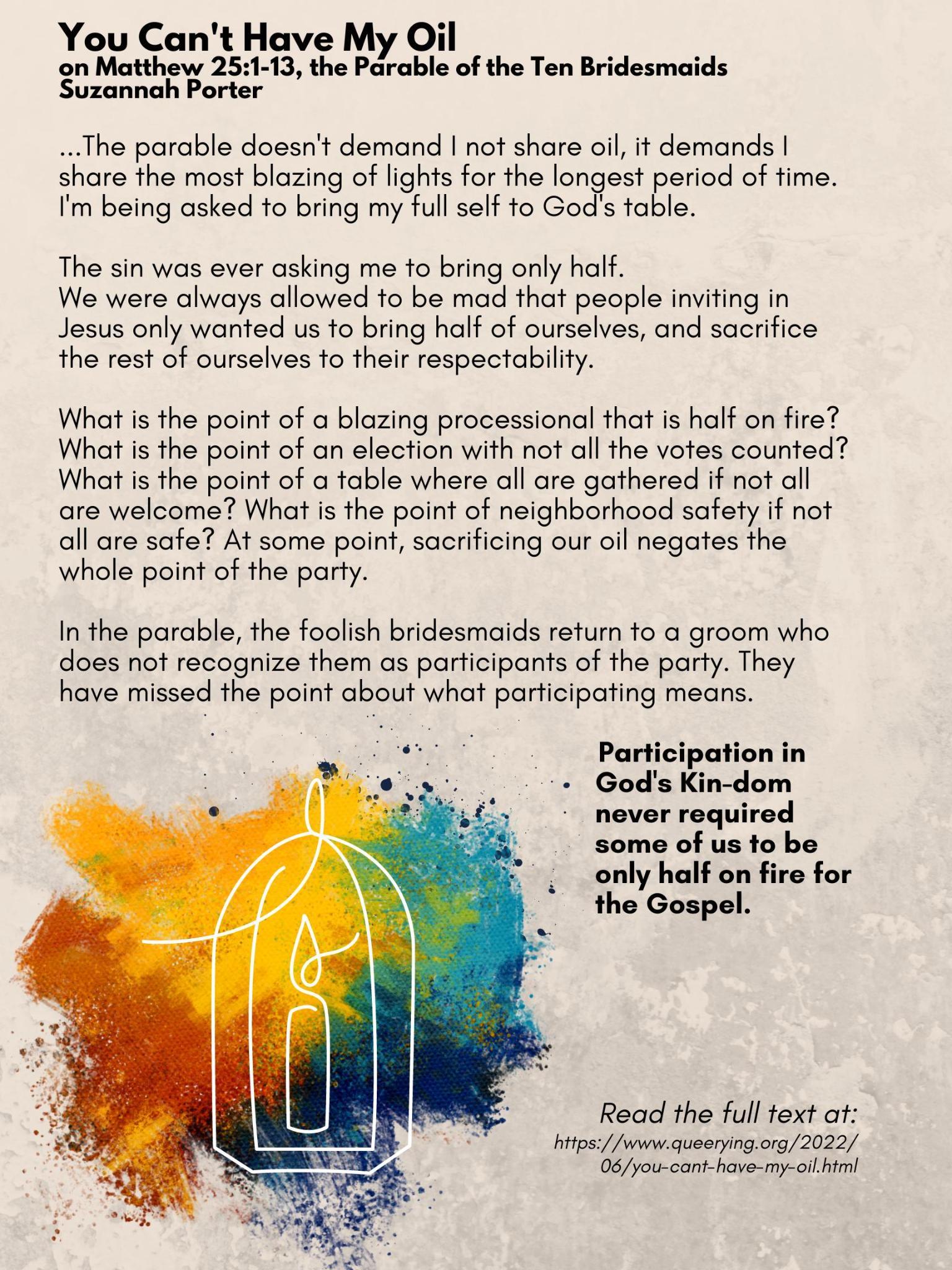
Once, I had the privilege of joining Rev. Carla Christopher and Rev. Brenda Bos in a brief All Saints Sunday service online for the queer community in the ELCA LGBTQ & Allies Facebook Group. It was unabashedly queer, thanks also in part to the most amazing prayers written by Pace Warfield-May. We named our queer ancestors and ally ancestors who had lit fires, provided sanctuary, illuminated theology, and too often were gone too soon. We named our fears for the future, we mourned the losses of the past, we called each other family. No one there gave away an ounce of oil and I felt God's presence in worship more visceral than ever. The fire that blazed in that worship for me was every ounce the fire Jesus intended in a processional of the Gospel into the world. And for once I knew what it was like to show up to worship with a lamp entirely full. The parable doesn't demand I not share oil, it demands I share the most blazing of lights for the longest period of time. I'm being asked to bring my full self to God's table.
The sin was ever asking me to bring only half.
We were always allowed to be mad that people inviting in Jesus only wanted us to bring half of ourselves, and sacrifice the rest of ourselves to their respectability.
What is the point of a blazing processional that is half on fire? What is the point of an election with not all the votes counted? What is the point of a table where all are gathered if not all are welcome? What is the point of neighborhood safety if not all are safe? At some point, sacrificing our oil negates the whole point of the party.
In the parable, the foolish bridesmaids return to a groom who does not recognize them as participants of the party. They have missed the point about what participating means. Participation in God's Kin-dom never required some of us to be only half on fire for the Gospel.
May every vote be counted. May all be welcome to the table. May everyone bring their full selves with every ounce of oil. And may the processional of Jesus' love and Grace blaze through all the shadows.
Amen.
Wednesday, January 5, 2022
Queerying Epiphany C
Tanakh: Isaiah 60:1-6
Arise, shine, for your light has dawned;
The Presence of the Becoming One has shone upon you!
Behold! Darkness shall cover the earth,
And thick clouds the peoples;
But upon you the Becoming One will shine,
And Their presence be seen over you.
And nations shall walk by your light,
Rulers, by your shining radiance.
Raise your eyes and look about:
They have all gathered and come to you.
Your children shall be brought from afar,
Your offspring like babes on shoulders.
As you behold, you will glow;
Your heart will throb and thrill—
For the wealth of the sea shall pass on to you,
The riches of nations shall flow to you.
Dust clouds of camels shall cover you,
Dromedaries of Midian and Ephah.
They all shall come from Sheba;
They shall bear gold and frankincense,
And shall herald the glories of the Becoming One.
Queeries for the text:
How is darkness good?
How do we see without eyes?
What is the wealth of the seas?
What is a dromedary?
-----
Rev. Emily E. Ewing queeries the Gospel reading.
Gospel: Matthew 2:1-12
In the time of King Herod, after Jesus was born in Bethlehem of Judea, wise ones from the East came to Jerusalem, 2asking, “Where is the child who has been born king of the Jews? For we observed his star at its rising, and have come to pay him homage.”
3When King Herod heard this, he was frightened, and all Jerusalem with him; 4and calling together all the chief priests and scribes of the people, he inquired of them where the Messiah was to be born.
5They told him, “In Bethlehem of Judea; for so it has been written by the prophet: 6‘And you, Bethlehem, in the land of Judah, are by no means least among the rulers of Judah; for from you shall come a ruler who is to shepherd my people Israel.’”
7Then Herod secretly called for the wise ones and learned from them the exact time when the star had appeared. 8Then he sent them to Bethlehem, saying, “Go and search diligently for the child; and when you have found him, bring me word so that I may also go and pay him homage.”
9When they had heard the king, they set out; and there, ahead of them, went the star that they had seen at its rising, until it stopped over the place where the child was. 10When they saw that the star had stopped, they were overwhelmed with joy. 11On entering the house, they saw the child with Mary his mother; and they knelt down and paid him homage. Then, opening their treasure chests, they offered him gifts of gold, frankincense, and myrrh.
12And having been warned in a dream not to return to Herod, they left for their own country by another road.
Queeries for the text:
Where is East?
Who observes the stars?
Why was King Herod frightened?
Was the star a secret?
Why did they stop in Jerusalem?
How do you know where the star stops?
What are frankincense and myrrh for?
What other warnings do dreams carry?
What are your queeries?
Sunday, February 14, 2021
Queerying Ash Wednesday

River Needham, MA queeries the Tanakh reading.
Tanakh: Joel 2: 1-2, 12-17
“Blow a horn in Zion, sound an alarm on my holy mount! Let all dwellers on earth tremble, for the day of the Becoming One has come! It is close—a day of darkness and gloom, a day of densest cloud spread like soot over the hills. A vast, enormous horde — nothing like it has ever happened, and it shall never happen again through the years and ages.
[...]
“Yet even now”—says the Becoming One— “Turn back to me with all your hearts, and with fasting, weeping, and lamenting.”
Rend your hearts rather than your garments, and turn back to the Becoming One your God. For Ze is gracious and compassionate, slow to anger, abounding in kindness, and renouncing punishment.
Who knows but Ze may turn and relent, and leave a blessing behind for meal offering and drink offering to the Becoming One your God?
Blow a horn in Zion, solemnize a fast, proclaim an assembly!
Gather the people, bid the congregation purify themselves. Bring together the old, gather the babes and breastfeeding children; let the bridegroom come out of his chamber, the bride from her canopied couch.
Between the portico and the altar, let the priests, the Becoming One's ministers, weep and say: “Oh, spare Your people, Becoming One! Let not Your possession become a mockery, to be taunted by nations! Let not the peoples say, ‘Where is their God?’”
-----
5“And whenever you pray, do not be like the hypocrites; for they love to stand and pray in the synagogues and at the street corners, so that they may be seen by others. Truly I tell you, they have received their reward. 6But whenever you pray, go into your room and shut the door and pray to your Father who is in secret; and your Father who sees in secret will reward you.
16“And whenever you fast, do not look dismal, like the hypocrites, for they disfigure their faces so as to show others that they are fasting. Truly I tell you, they have received their reward. 17But when you fast, put oil on your head and wash your face, 18so that your fasting may be seen not by others but by your Father who is in secret; and your Father who sees in secret will reward you.
19“Do not store up for yourselves treasures on earth, where moth and rust consume and where thieves break in and steal; 20but store up for yourselves treasures in heaven, where neither moth nor rust consumes and where thieves do not break in and steal. 21For where your treasure is, there your heart will be also.”
Wednesday, December 30, 2020
Queerying Epiphany B

River Needham, MA queeries the Tanakh reading.
Tanakh: Isaiah 60:1-6
Get up, for your light has dawned; The Becoming One's essence has shined on you!
Look! Darkness shall cover the earth, the peoples will be covered with thick clouds; But upon you the Becoming One will shine, and Her presence be seen over you. Nations shall walk by your light, sovereigns, by your shining radiance. Raise your eyes and look about: they have all gathered and come to you. Your sons shall be brought from afar, your daughters like babes on shoulders. As you behold, you will glow; your heart will throb and trill—for the wealth of the sea shall pass on to you, the riches of nations shall flow to you. Dust clouds of camels shall cover you, the camels of Midian and Ephah. They all shall come from Sheba; they shall bear gold and frankincense, and shall herald the glories of the Becoming One.
6 “And you, Bethlehem, in the land of Judah,
are by no means least among the rulers of Judah;
for from you shall come a ruler
who is to shepherd my people Israel.” ’
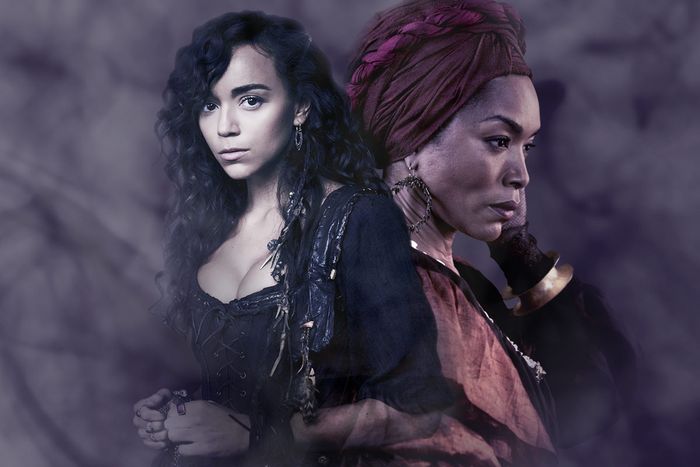
7 Then Herod secretly called for the witches and learned from them the exact time when the star had appeared. 8Then Herod sent them to Bethlehem, saying, ‘Go and search diligently for the child; and when you have found her, bring me word so that I may also go and pay her homage.’ 9When they had heard the king, they set out; and there, ahead of them, went the star that they had seen at its rising, until it stopped over the place where the child was.
10When they saw that the star had stopped, the witches were overwhelmed with joy. 11On entering the house, they saw the child with Mary his mother; and they knelt down and paid him homage. Then, opening their treasure-chests, they offered the child gifts of gold, frankincense, and myrrh. 12And having been warned in a dream not to return to Herod, the witches left for their own country by another road.
Wednesday, November 18, 2020
Queerying Reign of Christ A
River Needham M.A., queeries the Tanakh reading.
Tanakh: Ezekiel 34:11-16, 20-24
Then, the Becoming God said: Here am I! I am going to think about my flock, and go find them.
As a shepherd seeks out her flock when some have gotten lost, so I will seek out my flock, I will rescue them from all the places to which they were scattered during the cloudy and gloomy day. I will take them out from the peoples and gather them from the nations, and I will bring them to their own land, and will pasture them on the mountains of Israel, by the watercourses and in all the settled portions of the land. I will feed them in good grazing land, and the lofty hills of Israel shall be their pasture. There, in the hills of Israel, they shall lie down in a good pasture and shall feed on rich grazing land. I Myself will graze My flock, and I Myself will let them lie down—declares the Becoming God. I will look for the lost, and I will bring back the strayed; I will bandage the injured, and I will sustain the weak;and the fat and healthy ones I will destroy. I will tend them rightly.
[...]
Assuredly, thus said the Becoming God to them: Here am I, I am going to decide between the fat animals and the lean. Because you pushed with your whole being against the weaker ones and butted them with your horns until you scattered them abroad, I will rescue My flock and they shall no longer be a reward. I will decide between one animal and another. Then I will appoint a single shepherd over them to tend them—My servant David. He shall tend them, he shall be a shepherd to them. I the Becoming One will be their God, and My servant David shall be a ruler among them—I the Becoming One have spoken.
Queeries for the text:Who is the Becoming God?
Where are the flocks? What are the flocks of?
What lies are we told about being fat? How can they be remedied?
How will David be the ruler of the people? When will this happen?
-----
Rev. Emily E. Ewing queeries the Gospel reading.
Gospel: Matthew 25:31-46
Jesus said:
31 ‘When the Human One comes in Their glory, and all the angels with Them, then They will sit on the throne of Their glory.
32All the nations will be gathered before Them, and They will separate people one from another as a shepherd
separates the sheep from the goats,
33and the Human One will put the sheep at Their right hand and the goats at the left.
34Then the ruler will say to those at Their
right hand, “Come, you that are blessed by my Father, inherit the dominion prepared for you from the foundation of the world;
35for I was hungry and you gave me food, I was thirsty and you gave me something to drink, I was a stranger and you welcomed me,
36I was naked and you gave me clothing, I was sick and you took care of me, I was in prison and you visited me.”
37Then the righteous will answer Them, “Liege, when was it that we saw you hungry and gave you food, or thirsty and gave you something to drink? 38And when was it that we saw you a stranger and welcomed you, or naked and gave you clothing? 39And when was it that we saw you sick or in prison and visited you?”
40And the ruler will answer them, “Truly I tell you, just as you did it to one of the least of these who are members of my family, you did it to me.”
41Then They will say to those at Their left hand, “You that are accursed, depart from me into the everlasting fire prepared for the devil and his angels; 42for I was hungry and you gave me no food, I was thirsty and you gave me nothing to drink, 43I was a stranger and you did not welcome me, naked and you did not give me clothing, sick and in prison and you did not visit me.”
44Then they also will answer, “Liege, when was it that we saw you hungry or thirsty or a stranger or naked or sick or in prison, and did not take care of you?”
45Then They will answer them, “Truly I tell you, just as you did not do it to one of the least of these, you did not do it to me.” 46And these will go away into everlasting punishment, but the righteous into everlasting life.’
Queeries for the text:
What kind of ruler is this? Who might rule like this?
Why are sheep the preferred animal over goats?
What does it mean to be thirsty?
How many visits to Black, Indigenous, People of Color in prison will make you question the prison industrial complex?
How many people will you give food, water, and shelter to until you question the capitalist system of requisite poverty?
What are your queeries?
Monday, November 2, 2020
Queerying 23rd after Pentecost A
This week we queery in loving memory of the Rev. Dr. Cheryl Pero, who died this past week after a short illness.
After nearly three months away, and passing her Ph.D. qualifying examinations, River Needham M.A., returns and queeries the Tanakh reading this week.
Tanakh: Joshua 24:1-3a, 14-25
Joshua assembled all the tribes of Israel at Schechem. He summoned Israel’s elders and commanders, magistrates and officers; and they presented themselves before God. Then Joshua said to all the people, “Thus said the Becoming One, the God of Israel: In olden times, your ancestors—Terah, father of Abraham and father of Nahor—lived beyond the Euphrates and worshiped other gods. But I took your father Abraham from beyond the Euphrates and led him through the whole land of Canaan and multiplied his offspring.
[...]
“Now, therefore, revere the Becoming One and serve Hir with undivided loyalty; put away the gods that your ancestors served beyond the Euphrates and in Egypt, and serve the Becoming One. Or, if you are loath to serve the Becoming One, choose this day which ones you are going to serve—the gods that your forefathers served beyond the Euphrates, or those of the Amorites in whose land you are settled; but I and my household will serve the Becoming One.”
In reply, the people declared, “Far be it from us to forsake the Becoming One and serve other gods! For it was the Becoming One our God who brought us and our fathers up from the land of Egypt, the house of bondage, and who wrought those wondrous signs before our very eyes, and guarded us all along the way that we traveled and among all the peoples through whose midst we passed. And then the Becoming One drove out before us all the peoples—the Amorites—that inhabited the country. We too will serve the Becoming One, for Xe is our God.”
What is missing from this text?
How might the ancestral gods be read differently?
How does this text read in an election year?
Where does God act violently?
-----
Rev. Emily E. Ewing queeries the Gospel reading.
Gospel: Matthew 25:1-13
Jesus said:
"Then the dominion of heaven will be like this. Ten attendants of the wedding party took their lamps and went to meet the betrothed. 2Five of them were foolish, and five were wise. 3When the foolish took their lamps, they took no oil with them; 4but the wise took flasks of oil with their lamps.
5As the betrothed was delayed, all of them became drowsy and slept. 6But at midnight there was a shout, ‘Look! Here is the betrothed! Come out to meet them.’
7Then all those attendants got up and trimmed their lamps. 8The foolish said to the wise, ‘Give us some of your oil, for our lamps are going out.’
9But the wise replied, ‘No! there will not be enough for you and for us; you had better go to the dealers and buy some for yourselves.’
10And while they went to buy it, the betrothed came, and those who were ready went with them into the wedding banquet; and the door was shut.
11Later the other attendants came also, saying, ‘Liege, liege, open to us.’
12But they replied, ‘Truly I tell you, I do not know you.’
13Keep awake therefore, for you know neither the day nor the hour."
Wednesday, October 28, 2020
Queerying All Saints A
Rev. Emily E. Ewing queeries the Gospel reading.

Gospel: Matthew 5:1-12
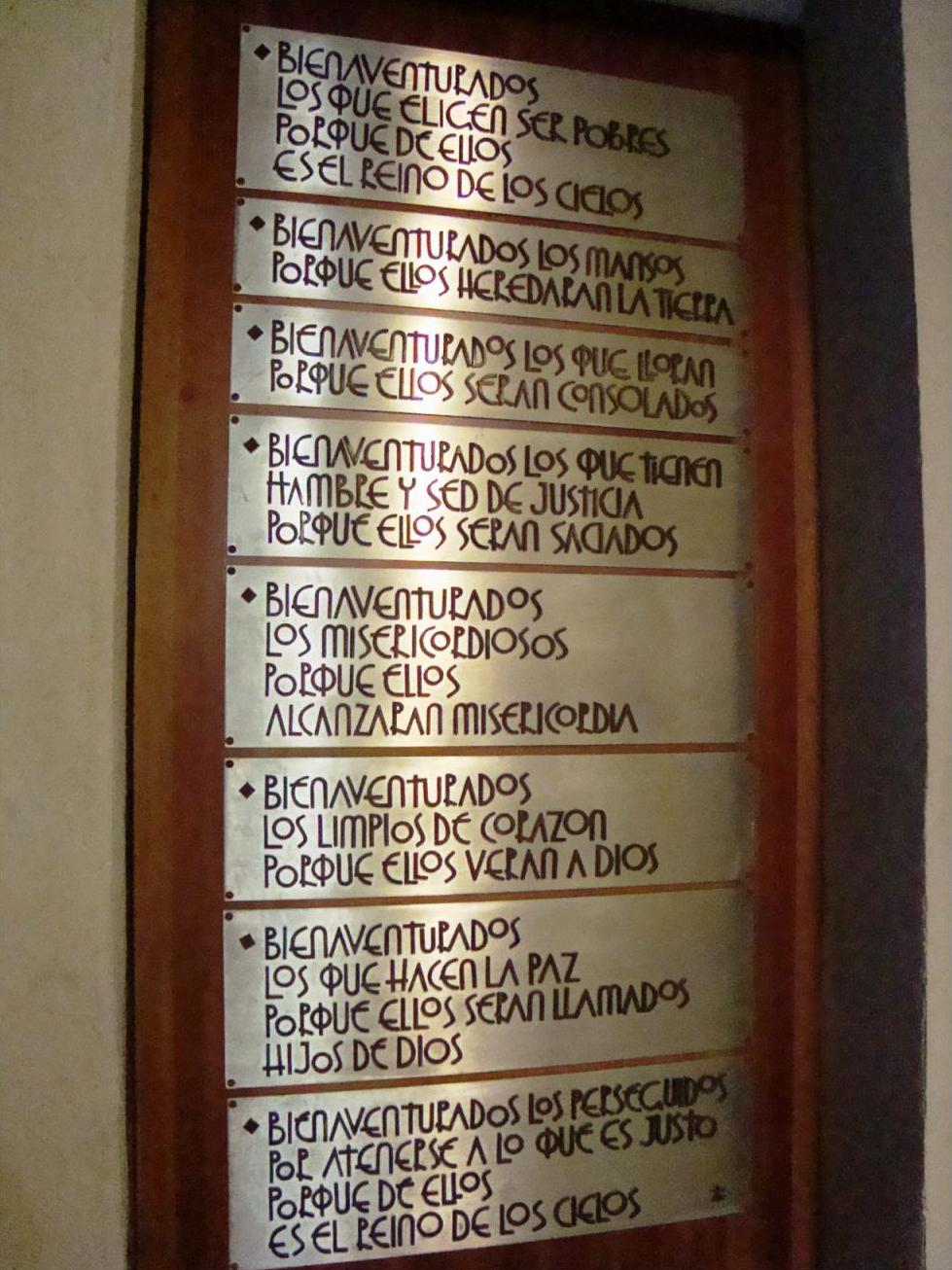
When Jesus saw the crowds, he went up the mountain; and after he sat down, his disciples came to him. 2Then Jesus began to speak, and taught them, saying:
3“Blessed are those with the spirit of the poor, for theirs is the dominion of heaven.
4“Blessed are those who mourn, for they will be comforted.
5“Blessed are the meek, for they will inherit the earth.
6“Blessed are those who hunger and thirst for right relationship, for they will be filled.
7“Blessed are the merciful, for they will receive mercy.
8“Blessed are the pure in heart, for they will see God.
9“Blessed are the peacemakers, for they will be called children of God.
10“Blessed are those who are persecuted for right relationship’s sake, for theirs is the dominion of heaven.
11“Blessed are you when people revile you and persecute you and utter all kinds of evil against you falsely in my name. 12Rejoice and be glad, for your reward is great in heaven, for in the same way they persecuted the prophets who were before you.
Queeries for the text:
When have we read this before?
Who has the spirit of the poor?
Who mourns?
Who will inherit the earth?
Who hunger and thirst for right relationship?
Who is merciful?
Who are pure in heart?
Who are the peacemakers?
Who are persecuted for the sake of right relationship?
Who are reviled and persecuted? Against whom is uttered all kinds of evil falsely in Jesus' name?
Who are you?
What are your queeries?
Thursday, October 22, 2020
Queerying 21st after Pentecost A
Rev. Emily E. Ewing queeries the Gospel reading.

Gospel: Matthew 22:34-46
34When the Pharisees heard that Jesus had silenced the Sadducees, they gathered together, 35and one of them, a lawyer, asked Jesus a question to test him. 36“Teacher, which commandment in the law is the greatest?”
37Jesus said to him, “’You shall love the Becoming One your God with all your heart, and with all your soul, and with all your mind.’ 38This is the greatest and first commandment. 39And a second is like it: ‘You shall love your neighbor as yourself.’ 40On these two commandments hang all the law and the prophets.”
41Now while the Pharisees were gathered together, Jesus asked them this question: 42“What do you think of the Messiah? Whose child are they?”
They said to Jesus, “The child of David.”
43Jesus said to them, “How is it then that David by the Spirit calls them Liege, saying, 44‘The Becoming One said to my Liege, “Sit at my right hand, until I put your enemies under your feet”’? 45If David thus calls them Liege, how can they be his child?”
46No one was able to give Jesus an answer, nor from that day did anyone dare to ask him any more questions.
Queeries for the text:
How did Jesus silence the Sadducees?
How is silence good? How does silence harm?
What is Jesus quoting?
What are all the law and the prophets?
Who could be the Messiah?
How many questions does Jesus get asked in Matthew's gospel?
What are your queeries?
Thursday, October 15, 2020
Queerying 20th after Pentecost A
Rev. Emily E. Ewing queeries the Gospel reading.

Gospel: Matthew 22:15-22
15Then the Pharisees went and plotted to entrap Jesus in what he said. 16So they sent their disciples to him, along with the Herodians, saying, “Teacher, we know that you are sincere, and teach the way of God in accordance with truth, and show deference to no one; for you do not regard people with partiality. 17Tell us, then, what you think. Is it lawful to pay taxes to the emperor, or not?”
18But Jesus, aware of their malice, said, “Why are you putting me to the test, you hypocrites? 19Show me the coin used for the tax.” And they brought him a denarius. 20Then Jesus said to them, “Whose head is this, and whose title?”
21They answered, “The emperor’s.”
Then Jesus said to them, “Give therefore to the emperor the things that are the emperor’s, and to God the things that are God’s.” 22When they heard this, they were amazed; and they left him and went away.
Queeries for the text:
Where did this conversation take place?
Who do I try to entrap today? Who tries to entrap me?
Who were the Herodians? Why would they collaborate with the Pharisees?
Who pays taxes? Who doesn't?
What purpose do taxes serve today?
Why do they have a denarius in the temple?
What does not belong to God?
What are your queeries?